
Our mission is to deepen the understanding and support the conservation of Kibale National Park’s unique tropical forest. We investigate the park’s interconnected ecology, from primate behavior and population dynamics to forest restoration, human-wildlife interactions, and disease transmission. A central part of our work is assessing the impacts of climate change and other human-driven pressures on the park’s flora and fauna, which we accomplish through a broad collaborative network of partners in Uganda and around the world.
Our Projects
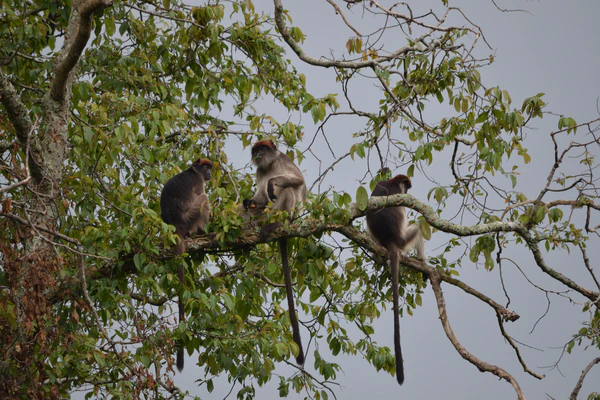
Cascading effects of climate change on primate habitats, behavior, and survival
Investigating the cascading impact of climate change on red colobus.
Climate Dynamics
This project challenges the oversimplified view of Kibale National Park as a single 'moist evergreen forest.
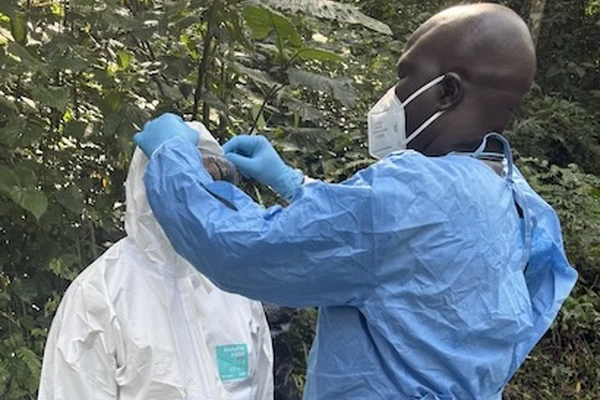
Disease Ecology
Disease ecology in a changing world.
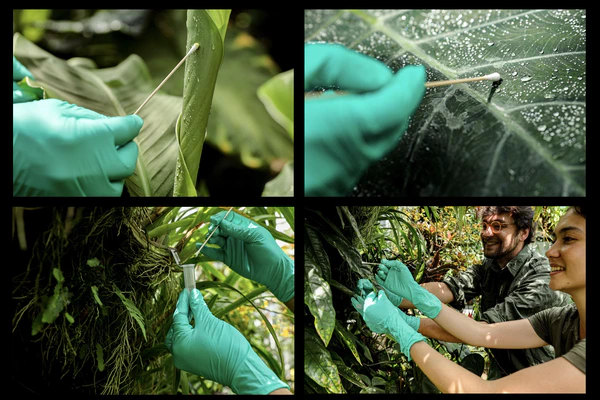
environmental DNA
Developing and using eDNA tools to monitor biodiversity.
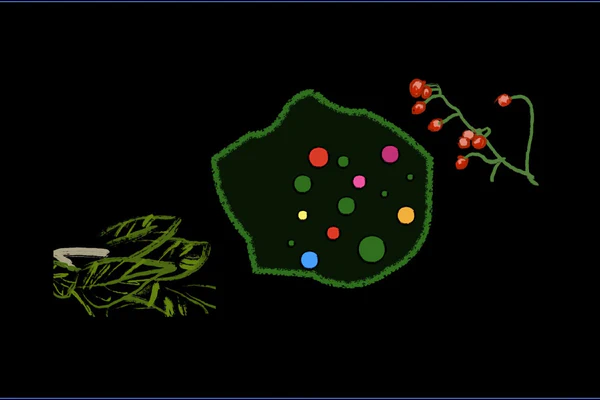
Food Resource Landscapes
Constructing spatio-temporal distribution maps of plant foods for socio-ecological and life-history research in Kibale and beyond.
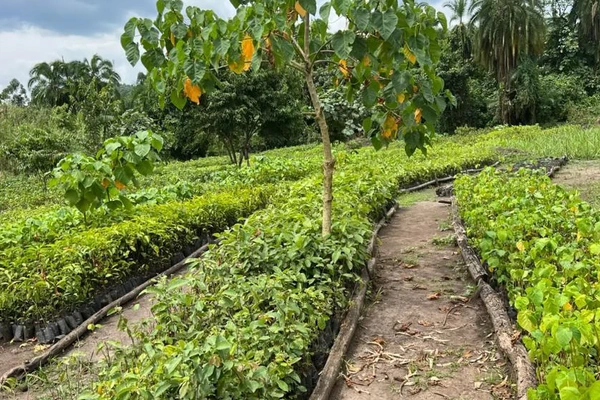
Forest Ecology and Restoration
Understanding a forest to restore it.
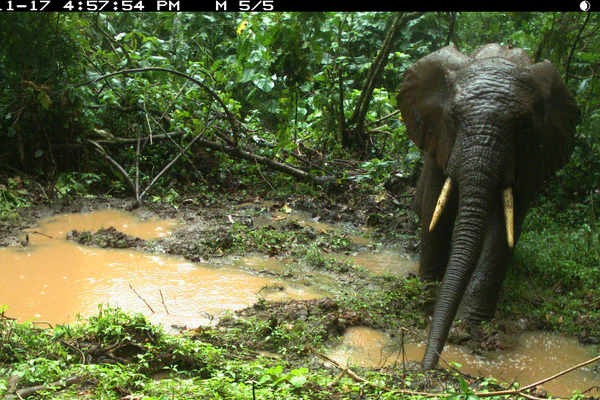
Human-Wildlife Interactions
We collect and analyze multi-year data to identify the key environmental drivers and landscape-level patterns of conflict, such as elephant crop-raiding, to inform the design of more effective, targeted conservation interventions.
Primate and Mammal Population Dynamics
Monitoring mammal populations to evaluate conservation successes.
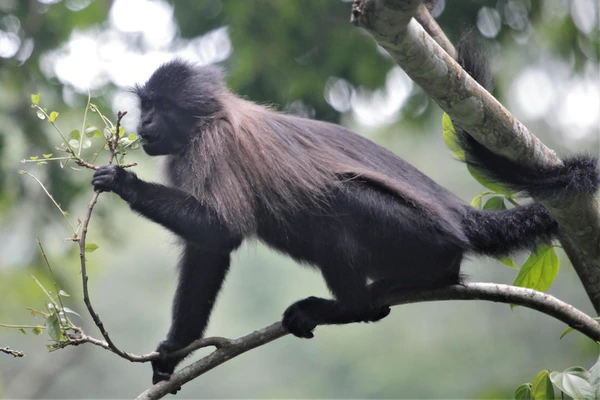
Primate Ecology and Behavior
Investigating the ecology and behavior of primates in Kibale.
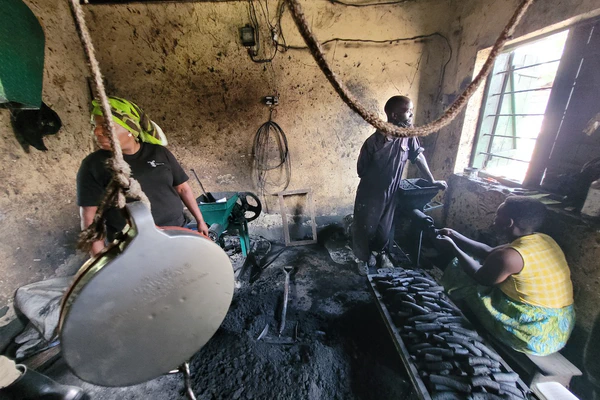
Socio-Ecological Dynamics and the Human Dimensions of Conservation
Our long-term socio-ecological research at Kibale National Park monitors how conservation plans impact these frontline communities, who face resource restrictions, human-wildlife conflict, and limited economic opportunities.
People involved in KECP
Project Leaders

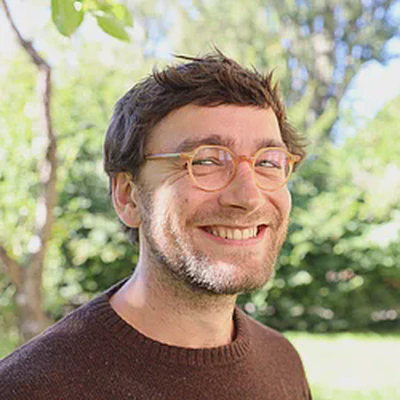
Colin Chapman
Principal Investigator
Vancouver Island University, Canada
Biologist and Biological Anthropologist at Vancouver Island University.
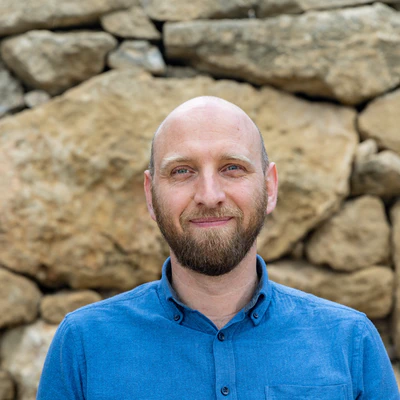
Jan F. Gogarten
Principal Investigator
Helmholtz Institute for One Health, Germany
Disease ecologist at HIOH
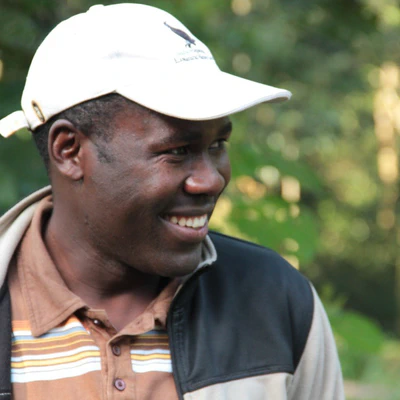
Urs Kalbitzer
Principal Investigator
University of Konstanz & Max Planck Institute of Animal Behavior, Germany
Project leader at the University of Konstanz and MPI-AB
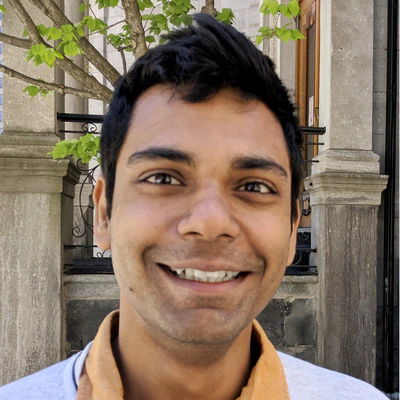
Patrick Omeja
Project Manager
Makerere University, Uganda.
Project manager at KECP and … at Makerere University
Dipto Sarkar
Principal Investigator
Carleton University, Canada
Geographer at Carleton
Students and Postdocs

Mercy Chagara
Masters student
Makerere University, Uganda Wildlife Authorities (UWA)
Masterss student at Makerere University and UWA vet
Martin Golooba
Former Master's student, field site coordinator
KECP
Former Master's student, currently coordinating data collection in the field.
Laura Lüthy
PhD Student
University of Konstanz, Max-Planck-Institute of Animal Behavior
PhD Student at MPI-AB and Uni Konstanz
Emmanuel Opito
PhD student, former field site coordinator
KECP
PhD student, formerly coordinating data collection in the field.
Alumni

Patrick Lauer
Master’s Student
University of Konstanz
Former Master’s student at UKon
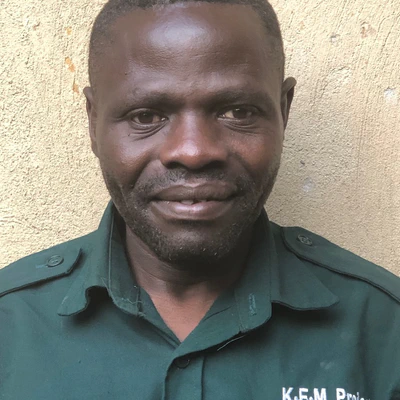
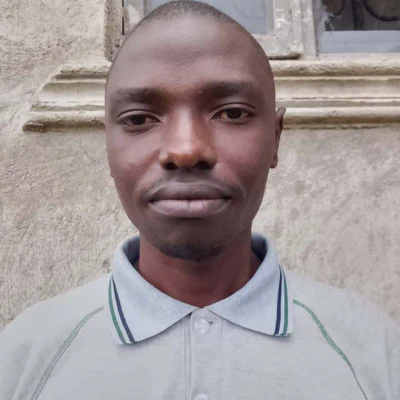
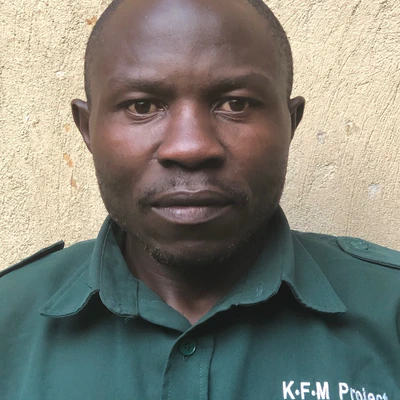
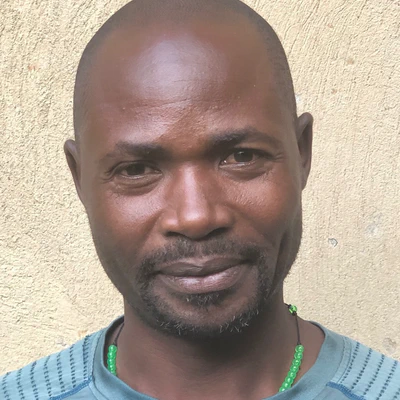
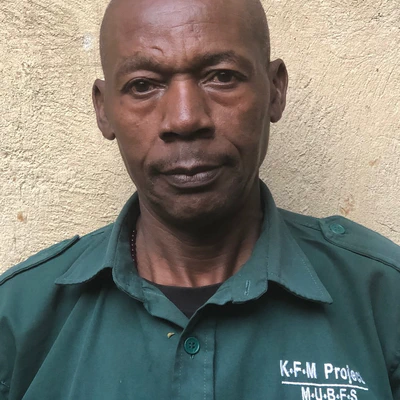
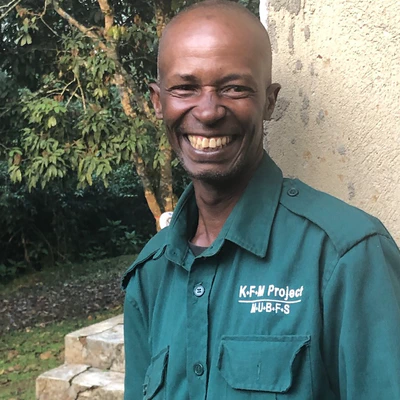
Field Assistants
Field Site
Makerere University Biological Field Station
Our project is located at the Makerere University Biological Field Station (MUBFS), one of Africa’s most established research and training centers in a moist evergreen tropical forest with well-developed infrastructure and diverse flora and fauna. For more information, please check here: https://www.chapmancolin.com/welcome